The anime NANA is widely regarded as one of the most emotionally powerful and culturally influential works in Japanese animation. Adapted from Ai Yazawa’s iconic manga, nana goes far beyond a simple romance or music-themed story. It presents a raw, realistic portrayal of youth, love, ambition, and emotional dependence, leaving a lasting impact on audiences long after the final episode. Through its unforgettable characters, grounded storytelling, and mature themes, nana has shaped how viewers perceive relationships and personal identity, making it a timeless cultural reference even decades after its release.
The Visual Identity of NANA and Its Symbolism
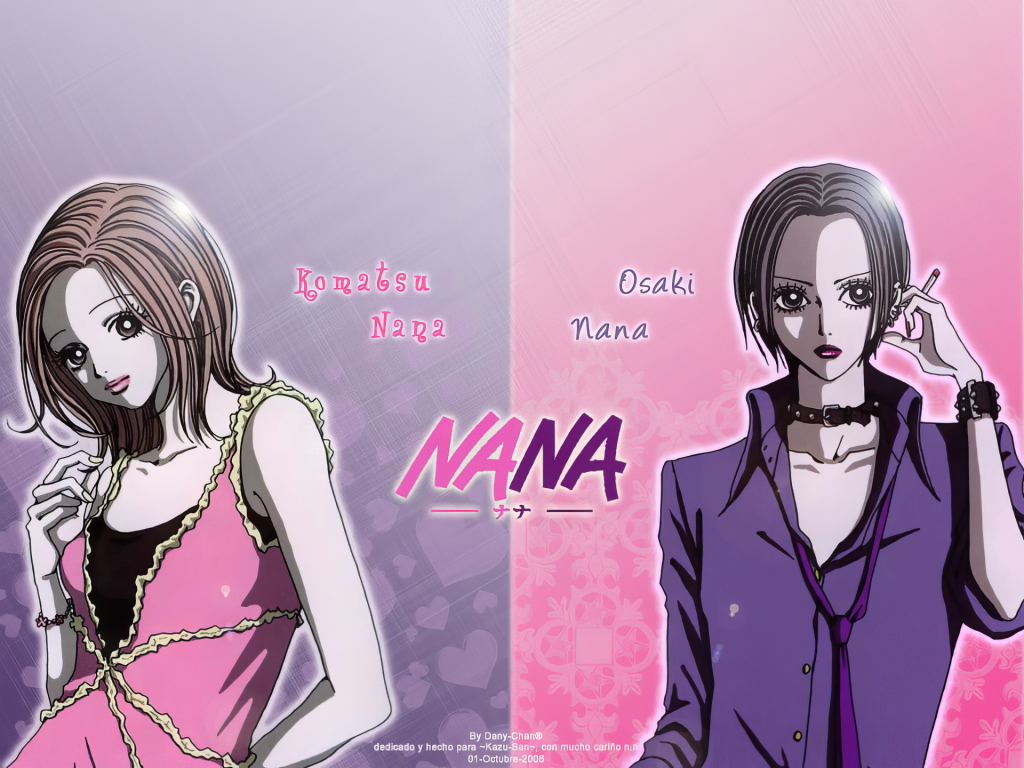
One of the most striking aspects of nana is its character design, which immediately communicates personality and emotional state. The two main heroines, both named Nana, are visually contrasted to reflect their inner worlds. Nana Osaki is defined by her punk aesthetic: short black hair, bold eyeliner, leather outfits, and Vivienne Westwood-inspired fashion. Her appearance represents rebellion, independence, and emotional armor. In contrast, Nana Komatsu, often called Hachi, has a softer, more traditionally feminine look with warm expressions, pastel clothing, and gentle body language, symbolizing vulnerability and emotional openness.
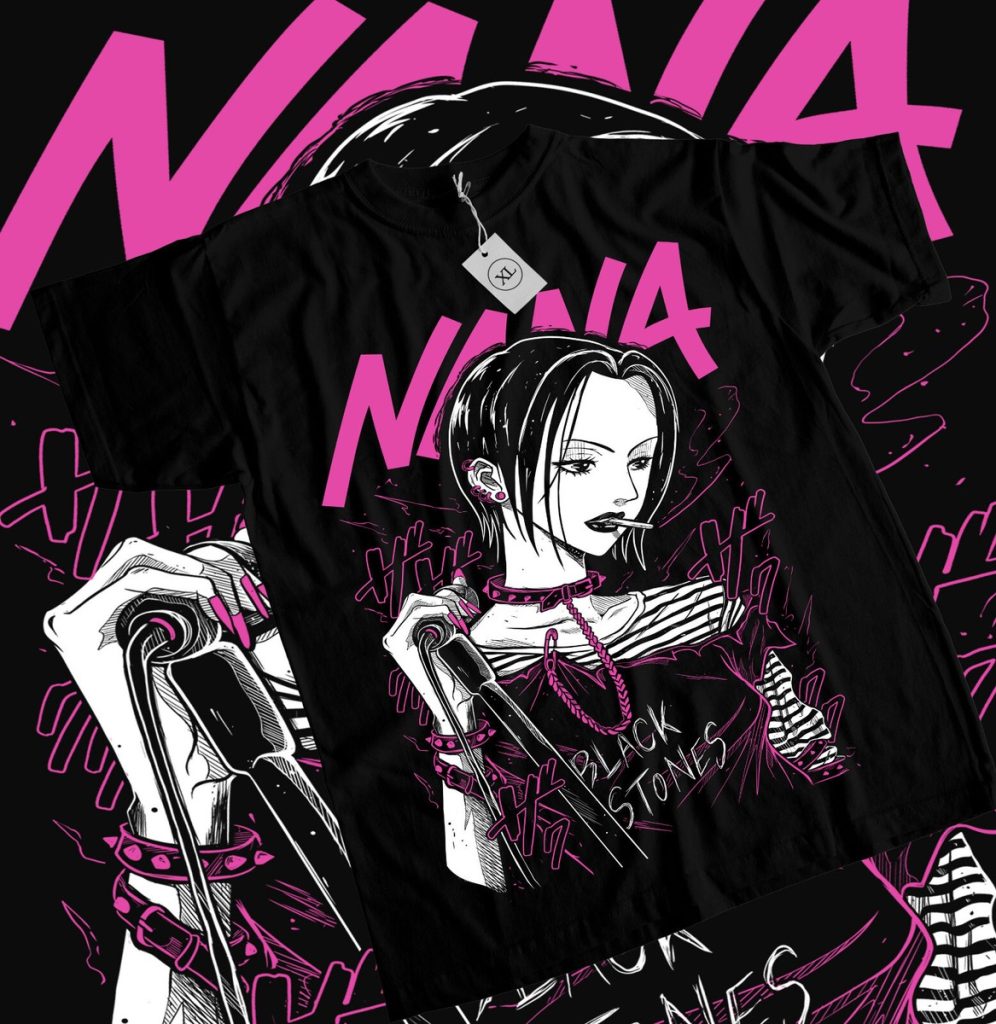
This visual contrast resonated strongly with the public, especially young adults navigating identity and self-expression. Many fans adopted fashion styles inspired by nana, particularly Nana Osaki’s punk look, which became a symbol of emotional strength mixed with fragility. The anime proved that appearance could be storytelling, not just decoration.
Personality and Emotional Complexity of the Characters
The emotional depth of nana lies in its honest portrayal of personality flaws. Nana Osaki is strong-willed, passionate, and fiercely loyal, but also deeply insecure and emotionally dependent. Her fear of abandonment drives many of her decisions, making her both admirable and painfully human. Nana Komatsu, on the other hand, is affectionate, idealistic, and romantic, yet often lacks self-confidence and relies heavily on others for emotional validation.
What made nana so impactful to the public was how these personalities felt real rather than idealized. Viewers saw themselves in the characters’ mistakes, emotional contradictions, and unhealthy attachments. Rather than presenting moral lessons, nana allowed audiences to experience emotional consequences naturally, which created a strong sense of empathy and personal reflection.
Character Development and the Cost of Growing Up
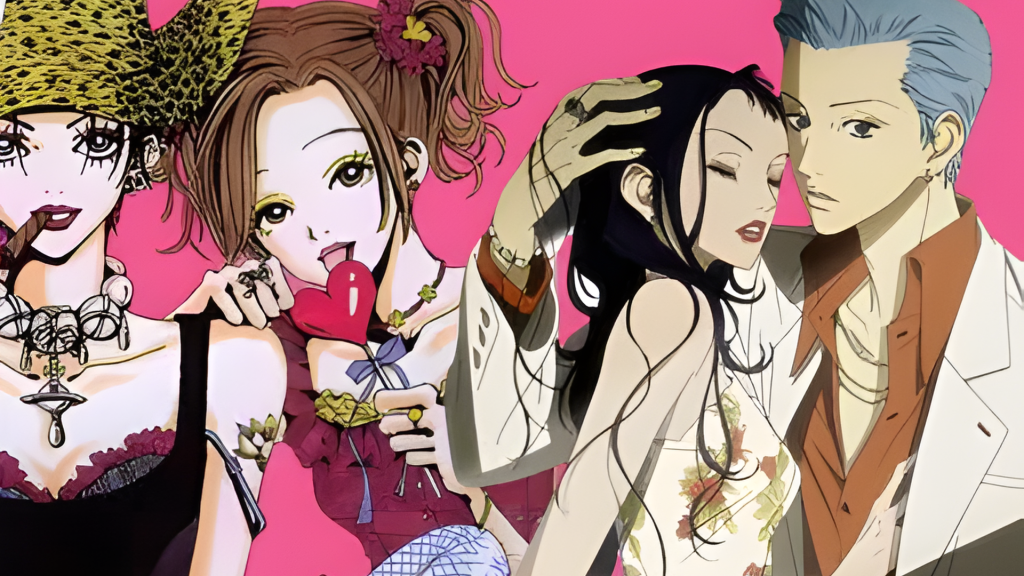
Unlike many anime that focus on triumph and resolution, nana presents character development as messy, painful, and sometimes incomplete. Both Nanas grow, but not always in positive or satisfying ways. Nana Osaki’s journey through the music industry highlights the tension between artistic integrity and commercial success, while her relationships expose the emotional cost of prioritizing independence over vulnerability.
Nana Komatsu’s development is even more controversial. Her choices often frustrate viewers, yet they reflect a realistic struggle with self-worth, love, and societal expectations. The anime does not punish or reward her decisions clearly, which mirrors real life and challenges the audience to confront uncomfortable truths about emotional dependence and adulthood.
This approach deeply affected the public because it broke away from fantasy-driven narratives. nana showed that growing up does not guarantee clarity or happiness, a message that strongly resonated with viewers entering adulthood.
The Powerful Influence of NANA on the Audience
The cultural impact of nana extends far beyond entertainment. For many viewers, especially women, nana became a reference point for understanding toxic relationships, emotional boundaries, and personal dreams. The anime sparked widespread discussion about love versus independence, ambition versus stability, and the emotional cost of chasing dreams.
nana also influenced how anime audiences perceive romance. Rather than glorifying love as salvation, the series portrays it as complicated, sometimes destructive, and deeply intertwined with personal insecurity. This honest depiction helped normalize conversations about emotional pain and personal growth within anime fandoms.
Additionally, nana inspired countless fans to explore music, fashion, and creative self-expression. Nana Osaki’s band, BLAST, became an emotional symbol for viewers who related to using art as a form of survival rather than success.
Why NANA Still Matters Today
Even years after its original release, nana remains relevant because its themes are timeless. Modern audiences continue to discover nana through streaming platforms and social media discussions, often describing it as emotionally devastating yet deeply meaningful. The anime’s unfinished status has only intensified its legacy, leaving viewers with lingering questions that mirror the uncertainty of real life.
The continued popularity of nana demonstrates that audiences crave emotionally honest storytelling. In a media landscape filled with escapism, nana stands out as a reminder that pain, longing, and imperfection are essential parts of human connection.
Hints and Hopes Surrounding NANA in 2026
As 2026 approaches, speculation surrounding nana has quietly resurfaced within the anime community. While no official continuation has been confirmed, renewed interest in classic anime adaptations and remasters has sparked hope for potential re-releases, anniversary projects, or expanded media discussions surrounding nana. The rise of nostalgic revivals suggests that nana could regain mainstream attention through high-definition remasters or global streaming promotions.
Culturally, nana may find renewed relevance as younger audiences face similar struggles with identity, relationships, and career uncertainty in an increasingly unstable world. Its themes align closely with modern discussions about emotional labor, mental health, and self-worth, positioning nana as a story that could resonate even more strongly in 2026.
