The anime Nana is often remembered not just as a romance or music-themed series, but as a deeply emotional portrayal of adulthood, identity, and fragile human relationships. Adapted from Ai Yazawa’s influential manga, the anime stands out for its honesty and emotional weight, offering a narrative that feels uncomfortably real. Unlike many anime that provide escapism, this film confronts its audience with emotional dependency, broken dreams, and the complexity of love. This article explores the lasting influence of nana on the public through its characters’ appearances, personalities, development, and cultural impact, while also considering what its legacy may look like in 2026.
Visual Identity and Symbolism
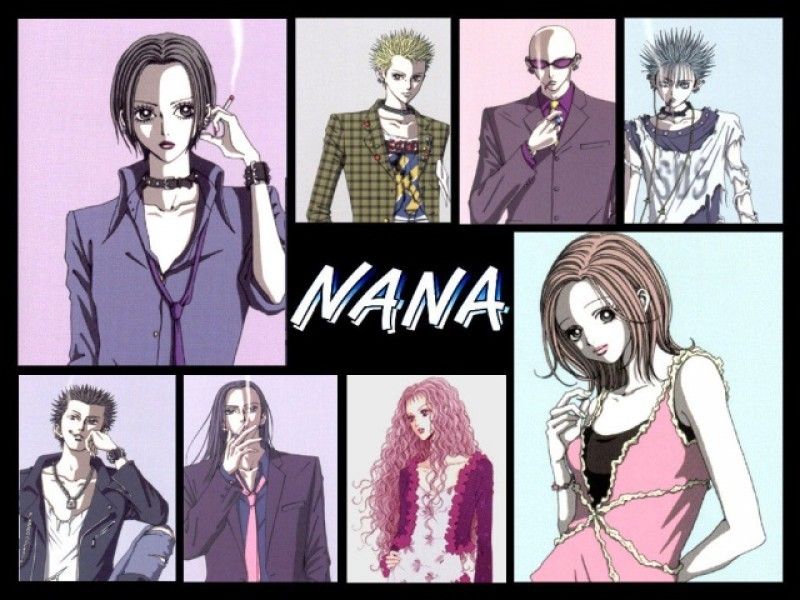
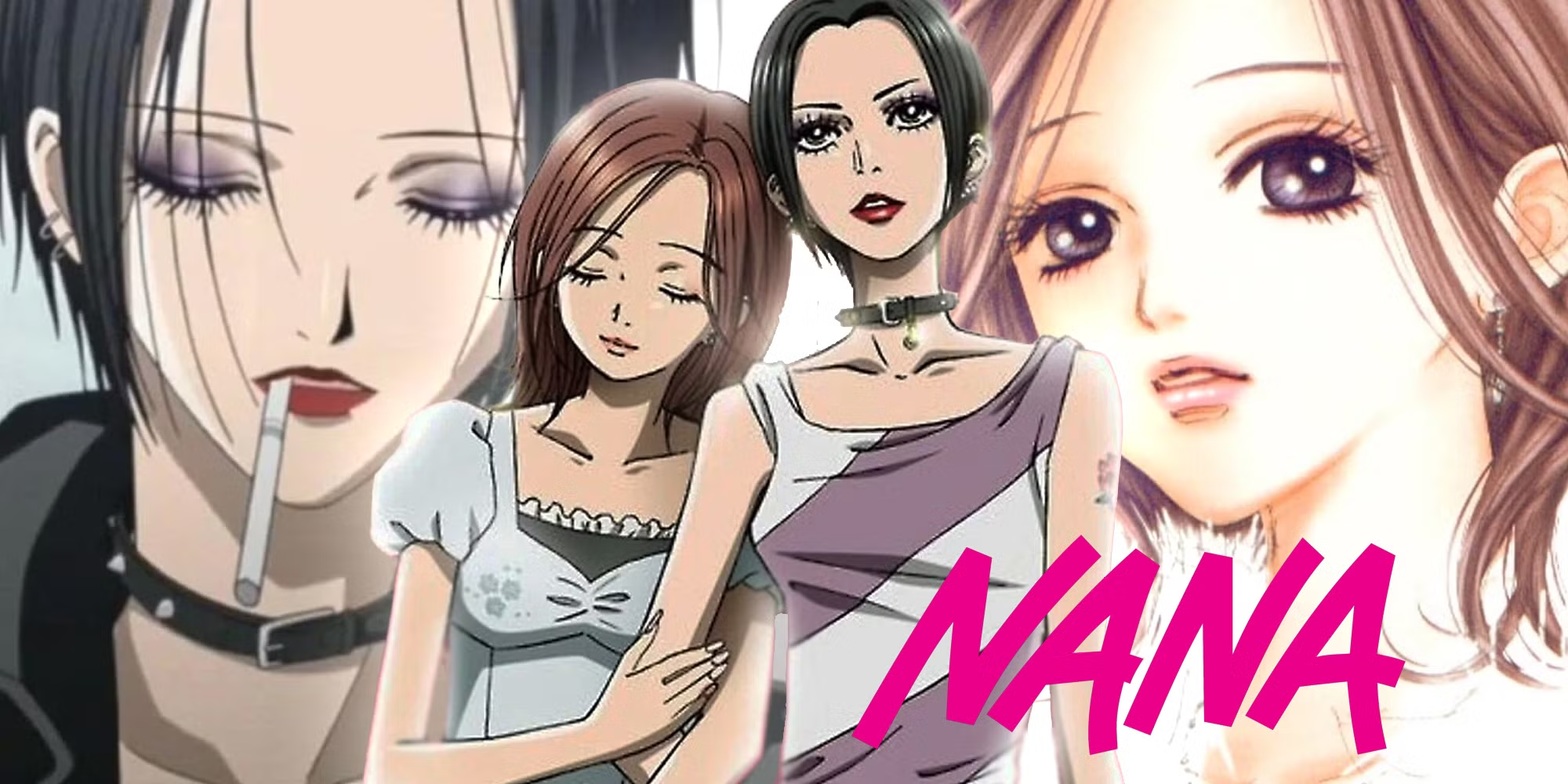
One of the defining strengths of the manga is how visual design is used to express character psychology. The two main characters, Nana Osaki and Nana Komatsu, share the same name but are intentionally designed to contrast one another. Nana Osaki’s punk-inspired appearance, featuring short black hair, heavy eyeliner, and bold fashion, represents emotional resistance, independence, and a desire for control. Her style became iconic, influencing real-world fashion and serving as a symbol of rebellion and self-expression for many viewers.
Nana Komatsu, often called Hachi, is visually softer, with warm expressions and gentle clothing choices that reflect her emotional openness and vulnerability. This contrast allowed the audience to immediately understand the emotional dynamic between the two characters. The visual storytelling in this anime helped audiences connect deeply with the characters, making their struggles feel personal and relatable.
Personality, Relationships, and Emotional Depth
The personalities in nana are deeply flawed, which is a major reason the series resonates so strongly with the public. Nana Osaki is passionate, ambitious, and fiercely loyal, yet emotionally fragile and haunted by a fear of abandonment. Her strength is both empowering and destructive, reflecting the emotional contradictions many viewers experience in real life.
Nana Komatsu represents emotional dependency and the desire for unconditional love. She is caring and affectionate but struggles with self-worth and independence. Her decisions often frustrate audiences, yet they feel painfully realistic. The film does not idealize its characters or offer easy moral judgments, allowing viewers to reflect on their own emotional patterns through the characters’ mistakes.
Character Development and the Reality of Growing Up
Character development in nana is not presented as a linear journey toward success. Instead, growth is messy, inconsistent, and sometimes painful. Nana Osaki’s path through the music industry highlights the emotional cost of ambition, showing how dreams can strain relationships and personal stability. Her development reveals that independence often comes with loneliness.
Nana Komatsu’s development is equally complex, as she navigates love, responsibility, and societal expectations. Rather than achieving empowerment through clear transformation, her story reflects how real people often compromise and struggle without clear resolution. This realistic approach deeply affected audiences, making the anime feel more like a mirror of adulthood than a fictional escape.
Cultural Impact and Hints Toward 2026
The influence of the movie on the public extends far beyond its original broadcast. It reshaped how anime audiences perceive romance, emphasizing emotional realism over fantasy. Discussions about toxic relationships, emotional boundaries, and self-identity became central to conversations around nana, especially among young adults.
As 2026 approaches, this masterpiece continues to gain renewed attention through streaming platforms and social media. While no official continuation has been announced, the trend of reviving classic anime through remasters and anniversary projects suggests the possibility of renewed exposure. More importantly, the themes of Nana align strongly with modern discussions around mental health, emotional labor, and uncertain futures, making it increasingly relevant for newer generations.