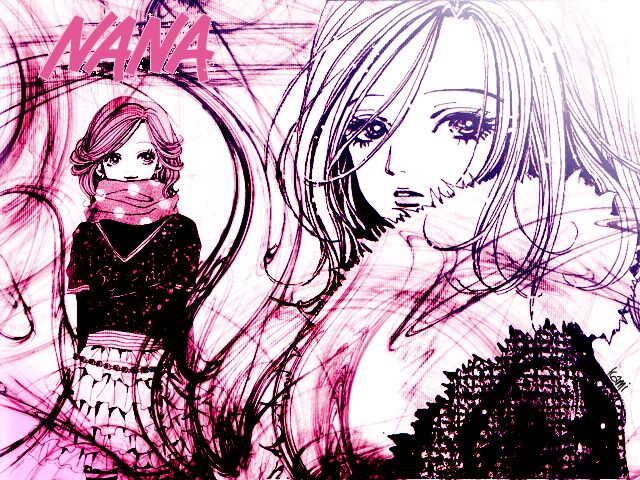
The anime Nana is widely recognized as one of the most emotionally intense and culturally influential works in the history of anime. Adapted from Ai Yazawa’s acclaimed manga, the film does not rely on fantasy or escapism. Instead, it presents a raw and painfully realistic depiction of youth, love, ambition, and emotional dependency. Through complex characters and unfinished dreams, nana has left a deep mark on the public, shaping how audiences understand relationships, adulthood, and self-identity.
Visual Identity and Character Design in the anime
One of the most powerful elements of Nana is its visual storytelling. The anime introduces two female protagonists who share the same name but differ greatly in appearance and emotional expression. Nana Osaki’s punk-inspired style, featuring short black hair, dark makeup, and bold fashion, immediately communicates rebellion and emotional resilience. Her look reflects a desire for independence and control in a world that constantly threatens emotional loss.
In contrast, Nana Komatsu, often called Hachi, is drawn with softer facial features, brighter expressions, and gentle clothing choices. Her appearance symbolizes vulnerability, warmth, and emotional openness. This visual contrast helped audiences instantly understand the internal differences between the two characters, making the anime feel deeply personal and relatable. Many viewers were inspired by the fashion of the anime, especially Nana Osaki’s iconic punk style, which became a lasting cultural reference.

Personality Traits and Emotional Realism
The strength of this anime lies in how honestly it portrays flawed personalities. Nana Osaki is passionate, loyal, and driven by her dream of success in music, yet she is also emotionally fragile and deeply afraid of abandonment. Her strong exterior hides insecurity and emotional dependence, making her a painfully realistic character.
Nana Komatsu represents a different kind of vulnerability. She is kind, romantic, and emotionally expressive, but often struggles with self-worth and independence. Her tendency to seek validation through relationships frustrated some viewers, yet many recognized themselves in her behavior. nana resonated with the public because it did not judge its characters. Instead, it allowed audiences to witness emotional consequences unfold naturally.
Character Development and the Harsh Reality of Adulthood
Unlike many anime that portray growth as a clear path toward success, this film presents development as inconsistent and often painful. Nana Osaki’s journey through the music industry highlights the emotional cost of chasing dreams while maintaining personal relationships. Her struggle between independence and emotional attachment reflects a reality many young adults face.
Nana Komatsu’s development is equally complex. Her choices often lead to emotional compromise rather than empowerment, which sparked intense public discussion. Rather than offering clear lessons, nana forces viewers to confront uncomfortable truths about love, dependency, and societal expectations. This realistic approach made nana emotionally heavy, but also deeply impactful.

The Strong Influence on the Public
The influence of nana on the public is profound. Many viewers describe the anime as emotionally transformative, helping them reflect on their own relationships and life decisions. nana challenged the romanticized portrayal of love commonly seen in media, showing that love can be supportive, destructive, or both at the same time.
The anime also influenced how audiences view emotional boundaries and self-worth. Discussions surrounding nana often focus on toxic relationships, emotional labor, and personal sacrifice, topics that were rarely addressed so openly in anime at the time. As a result, nana became more than entertainment; it became a shared emotional experience.
Cultural Legacy and Continued Relevance
Despite being released years ago, the anime continues to attract new audiences through streaming platforms and social media. Its unfinished nature has only strengthened its legacy, leaving viewers with lingering emotional questions that mirror real life. The public continues to analyze the main characters, creating discussions, fan works, and retrospectives that keep the story alive.
The lasting relevance of the anime proves that emotionally honest storytelling can transcend generations. Younger viewers discovering the series today often relate strongly to its themes of instability, emotional confusion, and uncertain futures.
Hints and Possibilities for The Anime in 2026
As 2026 approaches, renewed interest in classic anime has sparked quiet speculation surrounding nana. While no official continuation has been announced, the trend of remasters and anniversary projects suggests that this anime could return to public attention through high-definition releases or expanded global distribution.
More importantly, the themes of the anime may become even more relevant in 2026. In an era defined by emotional burnout, career uncertainty, and changing relationship norms, the story’s exploration of vulnerability and identity could resonate more deeply than ever. The public may continue to rediscover this anime as a reflection of modern emotional struggles.